

NeiroView
AI / Computer Vision / Real-Time Monitoring
Year:
2023
Category:
AI Product Development
Client:
NeiroMind OÜ (Эстония, ЕС)

Case Overview
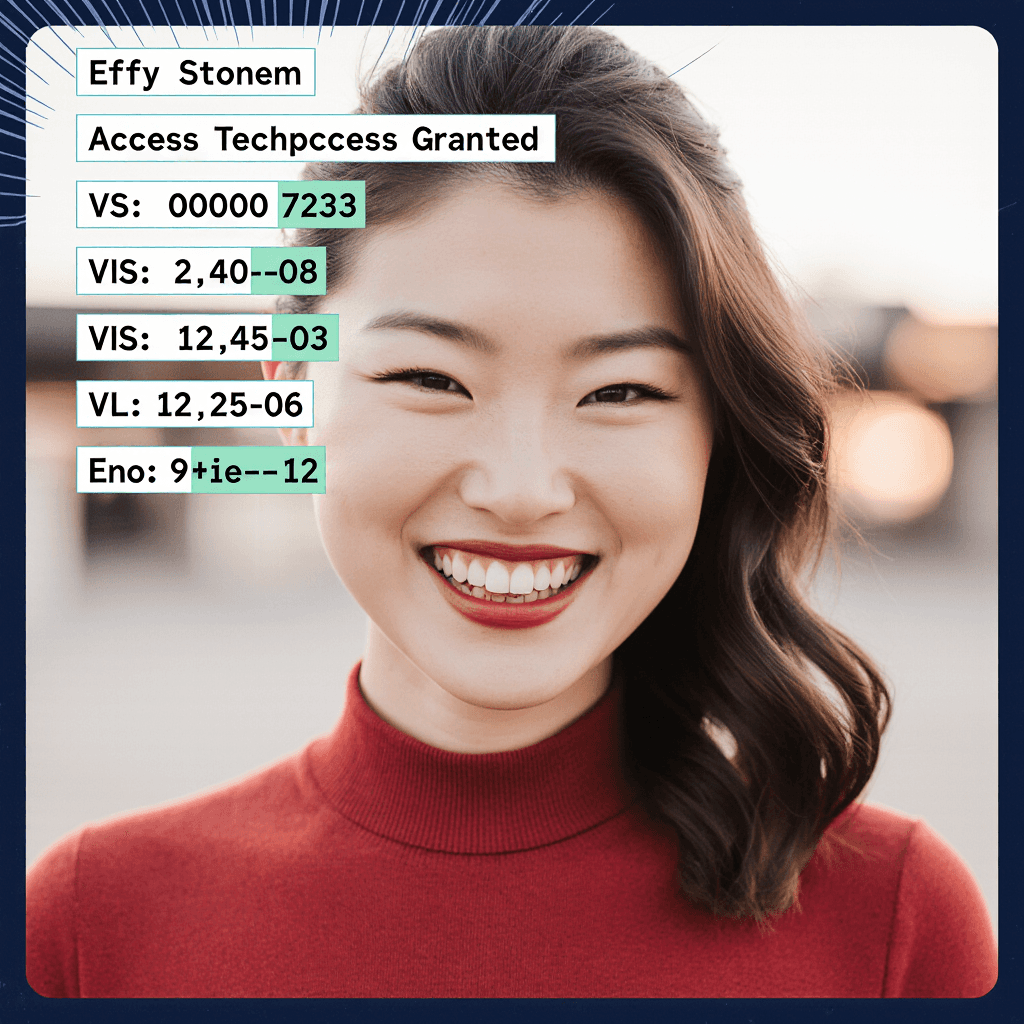
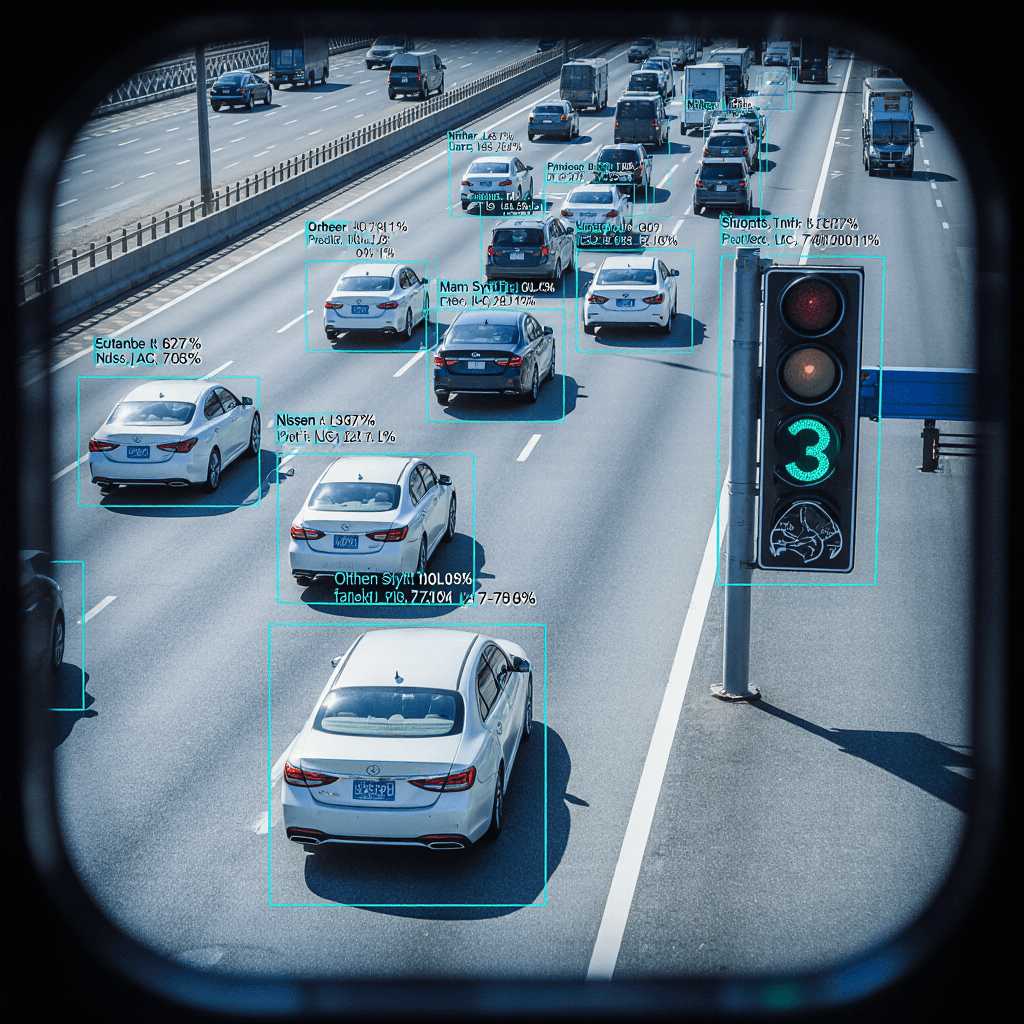
NeiroView is an AI platform of the RTMIP class (real-time monitoring & intelligent processing), designed to work with highly complex objects: real-time video streams, environmental analysis, object and human recognition, behavioral analytics, and handling noisy data.
The company approached us with the task of systematically overhauling the product framework: developing a strategy for AI module development, defining competitive positions in the EAEU and Gulf countries markets, forming the product architecture of the corporate website, and preparing solutions for scalable B2B partner integrations.
At launch, the product was developing sporadically: modules lacked a unified roadmap, competitive advantages were not clearly defined, the website did not convey the platform's scale and value, and partners and integrators lacked structured product arguments.
My Approach
In my role as product manager, I established a unified product development vector for the platform, focused on scalability, competitiveness, and clarity for the B2B market.
I conducted a competitive analysis across key industries (retail, safe city, industrial, logistics, oil and gas), comparing competitors' AI modules in terms of accuracy, stability, and application scenarios. This helped identify functional gaps and growth opportunities.
Based on the analysis, I developed an AI roadmap for neural modules: from facial and object recognition to behavioral scenario analysis and adaptive work with noisy video streams.
Simultaneously, I participated in product positioning for the EAEU and GULF markets, negotiations with integrators, and preparation of technical requirements for partner integrations.
Additionally, I developed the product framework for the corporate website: UX logic, solution structure, module demonstration scenarios, and value arguments for integrators, customers, and investors.
Key Priorities
AI module development roadmap
Formed a product map of neural modules (facial recognition, object recognition, environmental analysis, behavioral scenarios), determined development priorities, and enhancement points for accuracy and stability. Implementing the roadmap accelerated product iterations by 2.2–2.4 times and reduced the time for technical decision-making by ~60%.
Product positioning by industry
Conducted segmentation across key verticals (retail, industrial, transportation, oil and gas, safe city), defining high-value application scenarios where the platform has maximum advantage. This increased the conversion of product presentations into pilot discussions by ~30%.
Product positioning for EAEU and GULF markets
Analyzed regional requirements, regulations, and integrator expectations. Developed a tailored product strategy for both regions, reducing entry barriers in partner negotiations and speeding up the launch of pilot integrations by ~25–30%.
Development of the corporate website's product segment
Redesigned website structure, UX logic, and module usage scenarios. As a result, user engagement increased by ~40%, and potential partners' understanding of product value improved qualitatively (fewer repeated explanations in presales).
High-value partnerships
Participated in negotiations with integrators and large B2B clients, preparing product presentations and technical requirements for integrations. A structured value proposition improved negotiation effectiveness and reduced the pilot approval cycle by ~20%.
Key Problems and Solutions
Uneven competitiveness of AI modules
Some neural modules lagged behind competitors in terms of accuracy and stability.
Solution: Compiled a technical map of competitors, identified weak areas, and prepared improvement recommendations: dataset adjustments, algorithm optimization, refinement of detection scenarios, and implementation of adaptive models.
Result: Improved module accuracy and stability, reduced false positives by ~25–30%.
Lack of unified product strategy for EAEU and GULF
The product developed unsynchronized and did not account for regional specifics.
Solution: Developed a unified market entry strategy for both regions, considering local requirements and infrastructure.
Result: Accelerated time-to-market and increased product readiness for regional pilots by ~30%.
Insufficient product presentation and weak website UX
The website did not reflect the platform's scale; customers did not understand module value.
Solution: Designed a new website structure, UX logic, and solution demonstration scenarios.
Result: Increased engagement and quality of incoming B2B leads by ~35–40%.
Difficulty in attracting partners and integrators
Structured materials and product arguments were lacking.
Solution: Prepared product presentations, value propositions, and participated in negotiations and pilot launches.
Result: Increased active partnership discussions and accelerated integration start by ~25%.
Client's Word

Projects
other